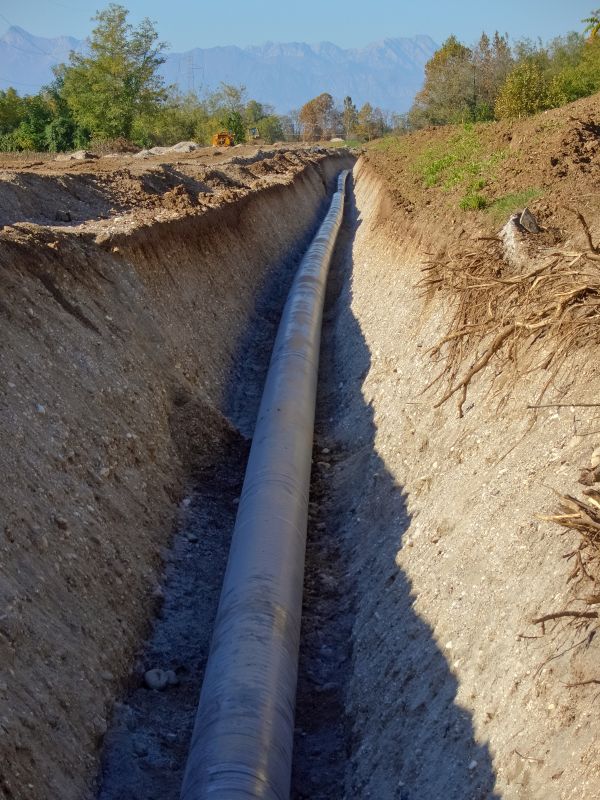
Trench Installation in Atlanta, GA
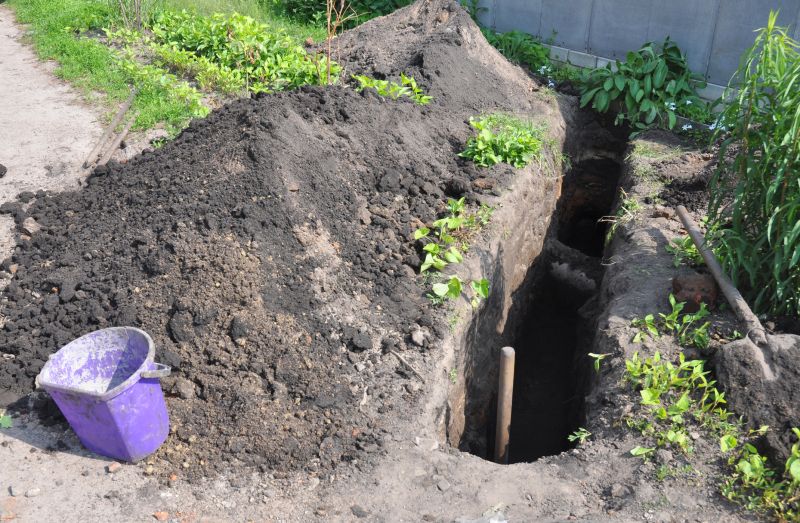
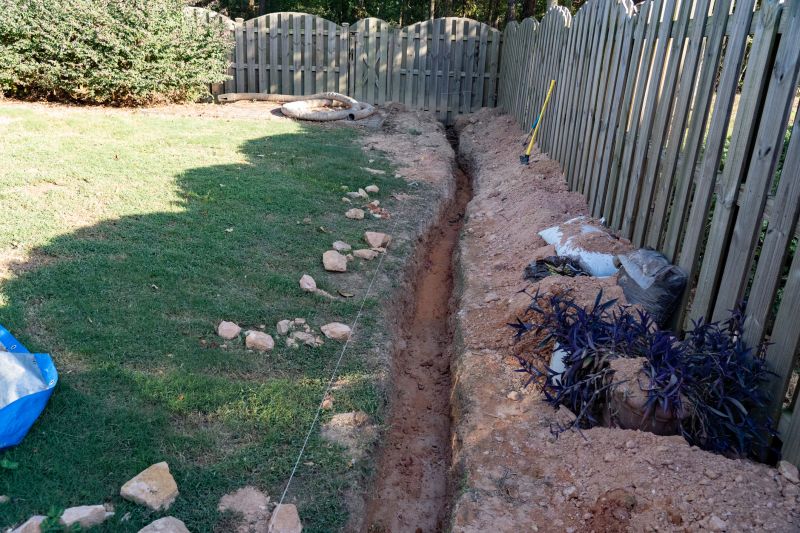
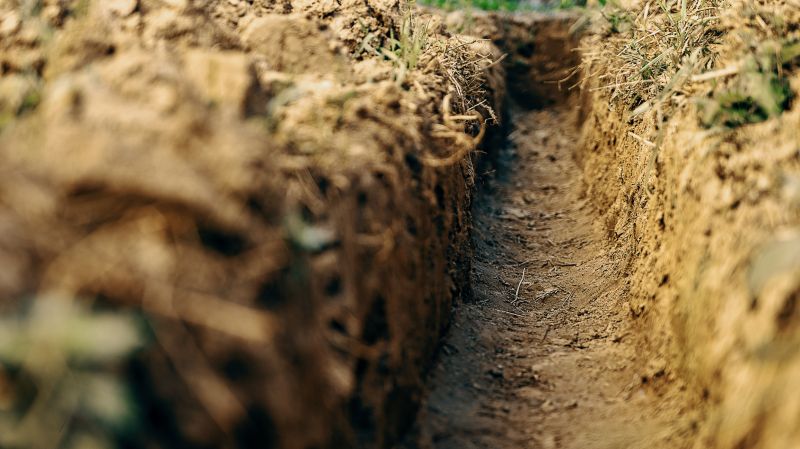
Trench installation services involve excavating narrow, deep channels into the ground to support a variety of construction and utility projects. This service is commonly used for installing underground utilities such as water, gas, electrical lines, or drainage systems. Property owners typically request trench installation when planning to run new pipes or cables across their yard, install sprinkler systems, or prepare for foundation work. Understanding the scope of excavation needed, the depth and length of trenches required, and any local regulations or permits necessary are important considerations before requesting this service.
Before initiating a trench installation, property owners should consider the existing underground infrastructure to avoid potential conflicts or damage. It’s also helpful to determine the purpose of the trenches and the materials to be installed, ensuring proper planning for access and future maintenance. Proper site assessment can prevent issues related to soil stability, property drainage, and safety during and after the work. Clear communication about project goals and site conditions helps ensure the trench installation aligns with property needs and local standards.
Many property owners in Atlanta, GA look into Trench Installation for repairs, replacements, upgrades, and appearance-related improvements.
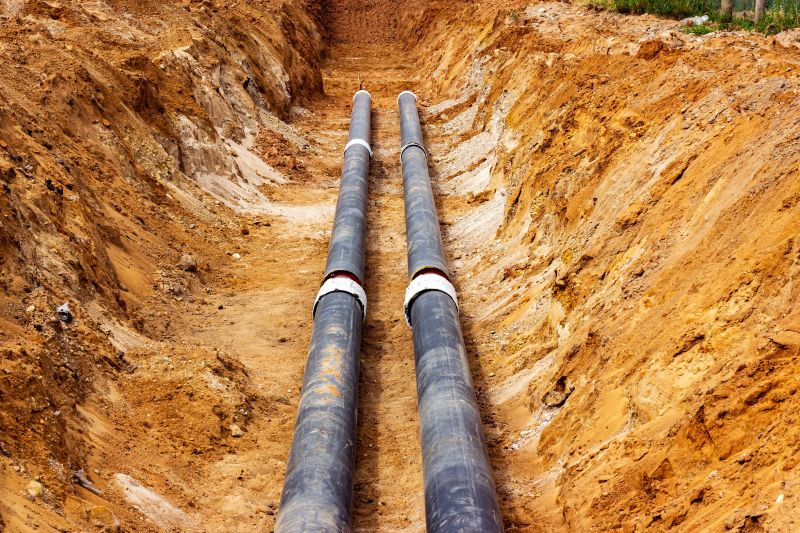
Trench Installation For Utility Lines
Proper trenches ensure safe and reliable installation of water, gas, and electrical lines on your property.
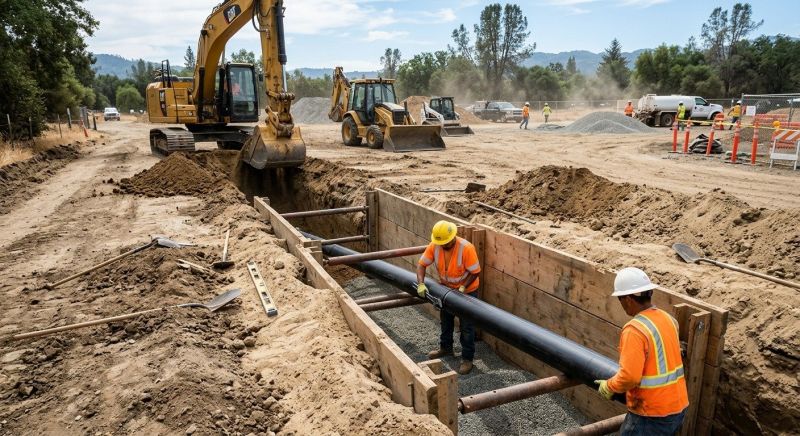
Drainage And Irrigation Trenches
Strategic trenching helps manage water flow and supports effective irrigation systems for gardens and lawns.
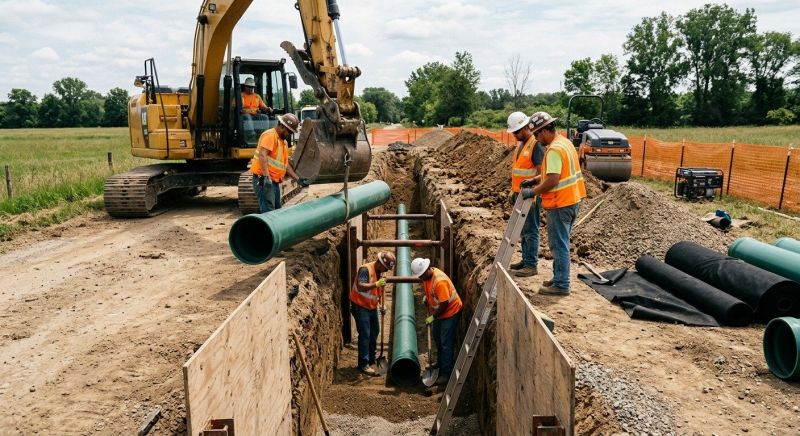
Foundation And Structural Trenches
Creating precise trenches is essential for foundation work and supporting structural elements in construction projects near atlanta, ga.
Trench Installation in Atlanta, GA

Trench installation services involve excavating narrow, deep channels into the ground to support a variety of construction and utility projects. This service is commonly used for installing underground utilities such as water, gas, electrical lines, or drainage systems. Property owners typically request trench installation when planning to run new pipes or cables across their yard, install sprinkler systems, or prepare for foundation work. Understanding the scope of excavation needed, the depth and length of trenches required, and any local regulations or permits necessary are important considerations before requesting this service.
Before initiating a trench installation, property owners should consider the existing underground infrastructure to avoid potential conflicts or damage. It’s also helpful to determine the purpose of the trenches and the materials to be installed, ensuring proper planning for access and future maintenance. Proper site assessment can prevent issues related to soil stability, property drainage, and safety during and after the work. Clear communication about project goals and site conditions helps ensure the trench installation aligns with property needs and local standards.
Many property owners in Atlanta, GA look into Trench Installation for repairs, replacements, upgrades, and appearance-related improvements.
Common Trench Installation Jobs
Drainage Trench Installation - helps redirect surface water away from foundations and landscaping.
French Drain Systems - installed to prevent basement flooding and manage excess groundwater.
Perimeter Trenching - creates effective barriers around property boundaries for water control.
Utility Trench Work - provides a safe pathway for underground cables and pipes.
Landscape Drainage Trenches - improve yard drainage and reduce pooling after storms.
Erosion Control Trenches - stabilize slopes and prevent soil erosion on hilly properties.
Trench Installation Questions
What is trench installation used for? Trench installation is commonly used for laying utility lines, such as water, gas, or electrical cables, across a property.
How deep are trenches typically dug? Trenches are usually dug to a depth that safely accommodates the type of utility being installed, often between 12 and 36 inches.
What materials are used for trench backfill? Backfill materials typically include soil, gravel, or a combination of both, depending on the project requirements.
Are there permits required for trench installation? Permits may be necessary depending on local regulations and the scope of the work, especially for utility connections or public right-of-ways.
Request Trench Installation in Atlanta, GA
Use the quote form on this page to share the basics of your project and request more information for the type of work you need.