Yard Leveling in Houston, TX
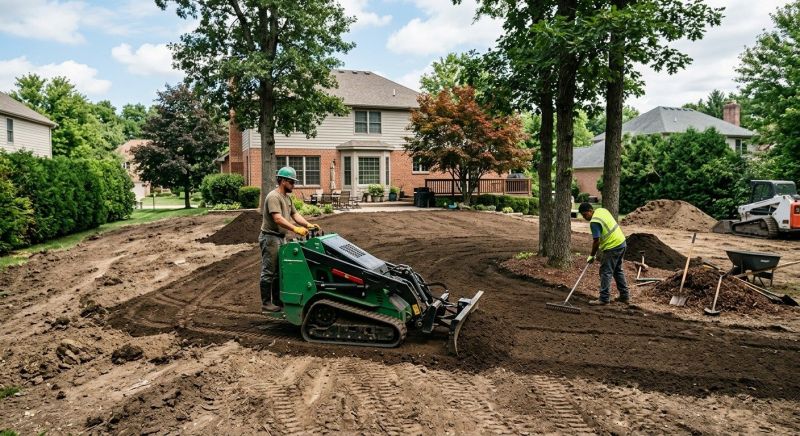
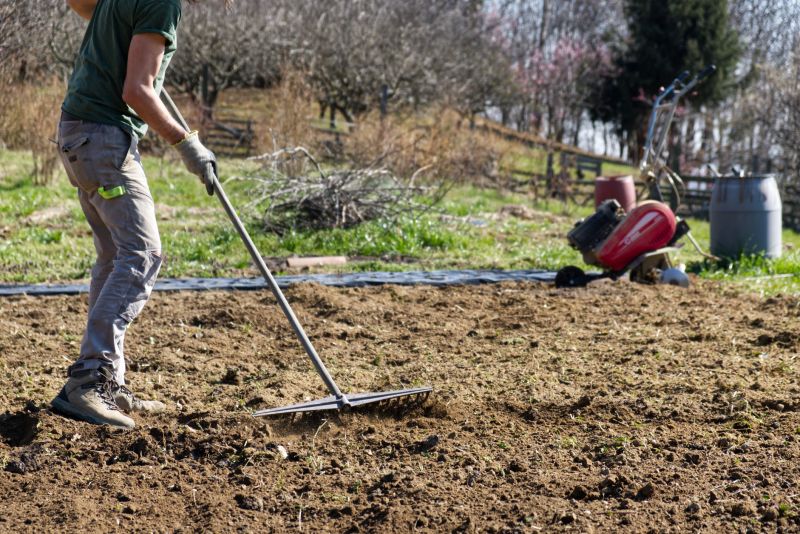
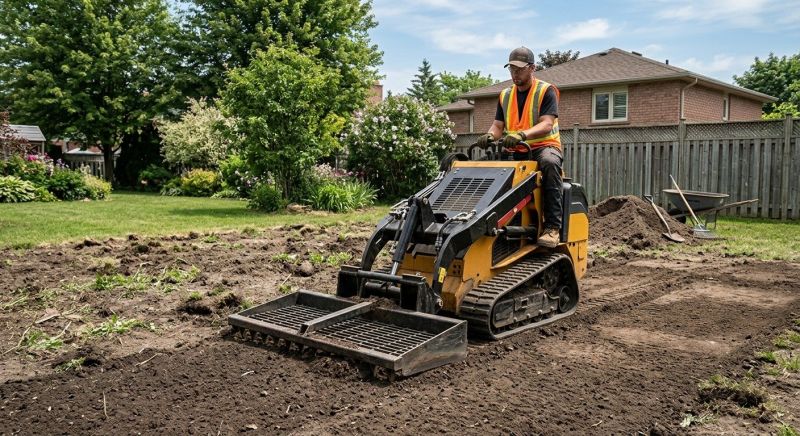
Yard leveling services involve adjusting the surface of a lawn or landscape to create a smooth, even terrain. This process is often used to correct uneven ground caused by settling, erosion, or poor initial grading, ensuring proper drainage and a stable foundation for lawns, gardens, patios, or other outdoor features. Projects can range from minor adjustments to large-scale regrading for entire yards, helping property owners achieve a more functional and aesthetically pleasing outdoor space.
Homeowners considering yard leveling typically want to understand the scope of the work, including how it affects drainage, soil stability, and future landscaping plans. It's important to evaluate the current condition of the yard, identify areas prone to water pooling or erosion, and determine the desired level of flatness or slope. Proper planning can prevent issues like water damage or uneven surfaces, making yard leveling a valuable step in maintaining and improving outdoor property.
Many property owners in Houston, TX look into Yard Leveling for repairs, replacements, upgrades, and appearance-related improvements.
Yard Leveling Benefits
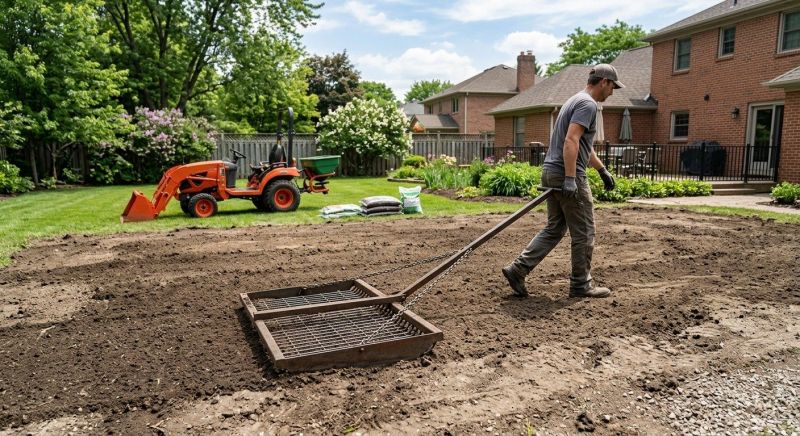
Proper yard leveling prevents uneven surfaces and promotes safe outdoor spaces.
Common Projects
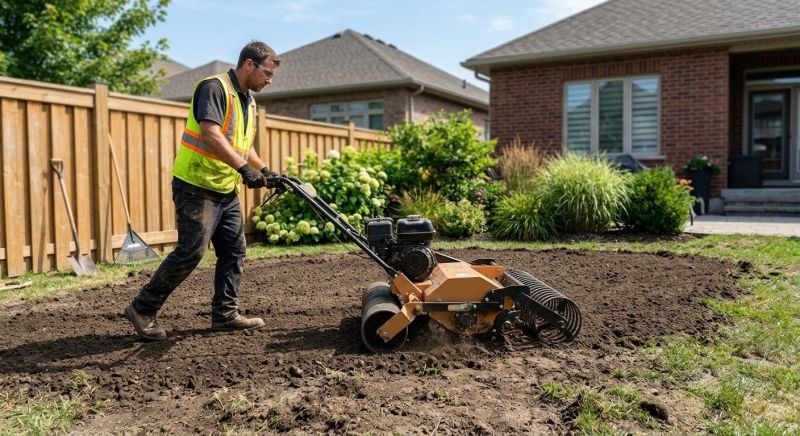
Services often include grading for lawns, driveways, and landscaping in houston area properties.
Key Considerations
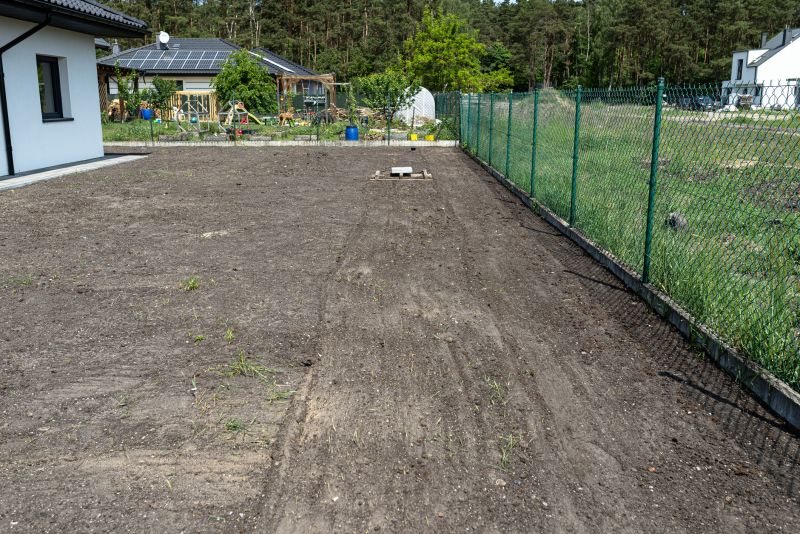
Effective yard leveling requires assessing soil conditions and ensuring proper drainage for lasting results.
Yard Leveling in Houston, TX

Yard leveling services involve adjusting the surface of a lawn or landscape to create a smooth, even terrain. This process is often used to correct uneven ground caused by settling, erosion, or poor initial grading, ensuring proper drainage and a stable foundation for lawns, gardens, patios, or other outdoor features. Projects can range from minor adjustments to large-scale regrading for entire yards, helping property owners achieve a more functional and aesthetically pleasing outdoor space.
Homeowners considering yard leveling typically want to understand the scope of the work, including how it affects drainage, soil stability, and future landscaping plans. It's important to evaluate the current condition of the yard, identify areas prone to water pooling or erosion, and determine the desired level of flatness or slope. Proper planning can prevent issues like water damage or uneven surfaces, making yard leveling a valuable step in maintaining and improving outdoor property.
Many property owners in Houston, TX look into Yard Leveling for repairs, replacements, upgrades, and appearance-related improvements.
Common Yard Leveling Jobs
Yard leveling involves adjusting the soil surface to create a smooth, even landscape for safety and aesthetics.
Garden bed leveling helps ensure proper drainage and plant growth by creating a stable base.
Driveway and walkway leveling corrects uneven surfaces to improve safety and accessibility.
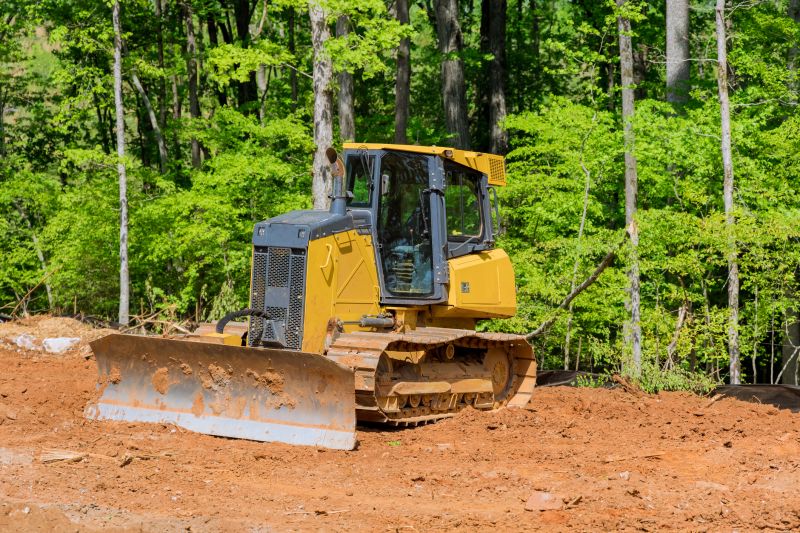
Sloped yard correction addresses issues with water runoff and erosion by establishing proper grades.
Foundation and retaining wall leveling prevents structural issues caused by uneven terrain.
Landscape grading prepares the yard for new planting, sod, or turf installation for a level appearance.
Yard Leveling Questions
What is yard leveling? Yard leveling involves adjusting the ground surface to create a smooth, even landscape, often to improve drainage or prepare for landscaping projects.
When should yard leveling be considered? Yard leveling is recommended when there are uneven areas, low spots, or slopes that cause water pooling or hinder lawn maintenance.
What types of projects typically require yard leveling? Common projects include installing new lawns, improving drainage, preparing for patios or driveways, and fixing settling or erosion issues.
What should property owners know before starting yard leveling? Proper assessment of the terrain and understanding of soil conditions are important to ensure effective and lasting results.
Request Yard Leveling in Houston, TX
Use the quote form on this page to share the basics of your project and request more information for the type of work you need.